
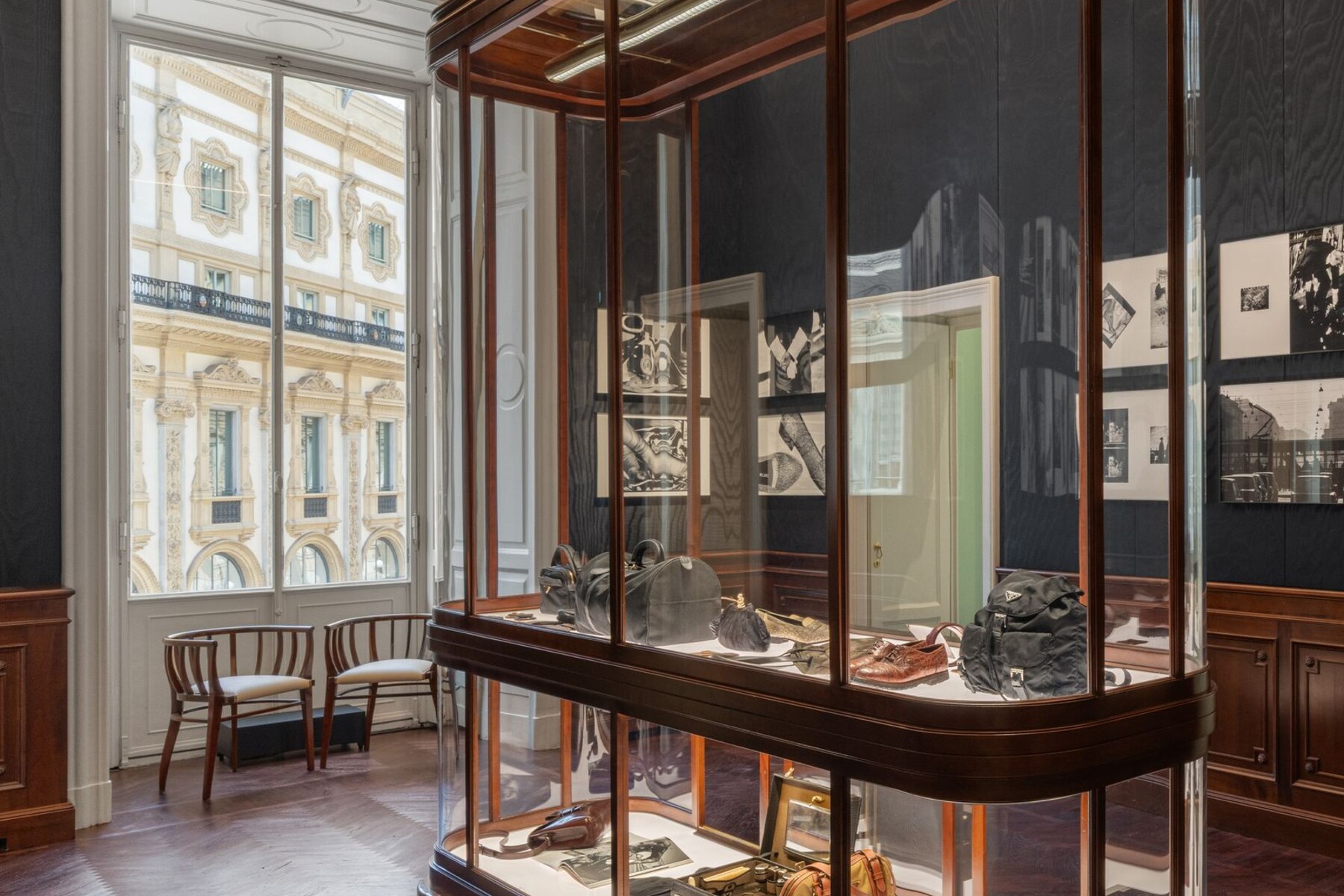
The future of flagship retail may not be a larger store. It may be a richer ecosystem.
Prada’s historic presence in Milan offers a useful model: a physical address that can connect product discovery with archives, cultural depth, food, personalised attention and private hospitality. The store becomes less like a container for inventory and more like an entry point into the brand’s world.
A flagship built as an ecosystem
Traditional flagship logic is often based on scale, location and visual impact. Prada’s approach adds a different layer: several reasons to visit, each with a distinct role in the relationship.
Retail remains central, but it can sit beside an archive, cultural programming, food, hospitality and invitation-only service. These elements do not simply decorate the transaction. Together, they create a system in which discovery can become familiarity and familiarity can become belonging.
One space, multiple levels of relationship
An open retail floor allows discovery. Archives turn heritage into experience. Personal service makes shopping guided and individual. Invitation-only environments create intimacy and deepen the relationship.
Each layer gives the customer another way to participate. This is what transforms a location into an ecosystem: the value is produced by the connections between commerce, culture, memory and belonging.
The archive becomes an experience
Heritage is often communicated as a timeline or a campaign. A permanent archive can make it physical. Objects, materials and historical design decisions give visitors a way to understand the brand beyond its current collection.
The strategic value is not nostalgia alone. Archive-led experience can create context for price, craft and identity while offering a reason to spend time with the brand that does not depend on an immediate purchase.
The strategic tension
Layered access can strengthen aspiration. It can also make the difference between being welcomed and being valued more visible. The challenge is ensuring that every level of the experience still feels intentional.
Exclusivity should add depth for selected customers without making the open experience feel secondary. Hospitality is strongest when it raises the quality of the entire relationship rather than becoming a visible barrier around privilege.
What businesses can learn
The lesson is not to imitate luxury codes. It is to give every experience a clear role. Heritage can become a service. Hospitality can support retention. Space can become media.
Physical retail earns relevance when it creates reasons to return that a transaction alone cannot provide.